Topic
Interview prep articles and guides
Turning a job posting into interview preparation, structuring answers, and knowing what interviewers are actually testing.
4 articles
Interview performance is mostly preparation quality wearing a confident face. Candidates who sound effortless have usually done something unglamorous first: read the posting closely, matched their experience to its demands, and practised saying the relevant parts out loud until they survive nerves.
Expect methods rather than scripts here: turning any job description into a structured preparation plan, building answers that survive follow-up questions instead of collapsing after the first rehearsed line, and working out what each interviewer is actually testing beneath the question they asked.
The starting point is the guide to preparing from a job description. The same document you tailored your resume against is the best available map of the conversation ahead.
Practise the uncomfortable parts too: the gap you would rather not discuss, the skill you are still building, the salary question. An honest answer you have rehearsed lands far better than a polished one you are improvising under pressure.
July 11, 2026 · 5 min read
How to Explain a Career Gap on Your Resume in 2026
Get recruiter-backed scripts to explain employment gaps on your resume, cover letter, and interviews in 2026 without sounding defensive or vague.
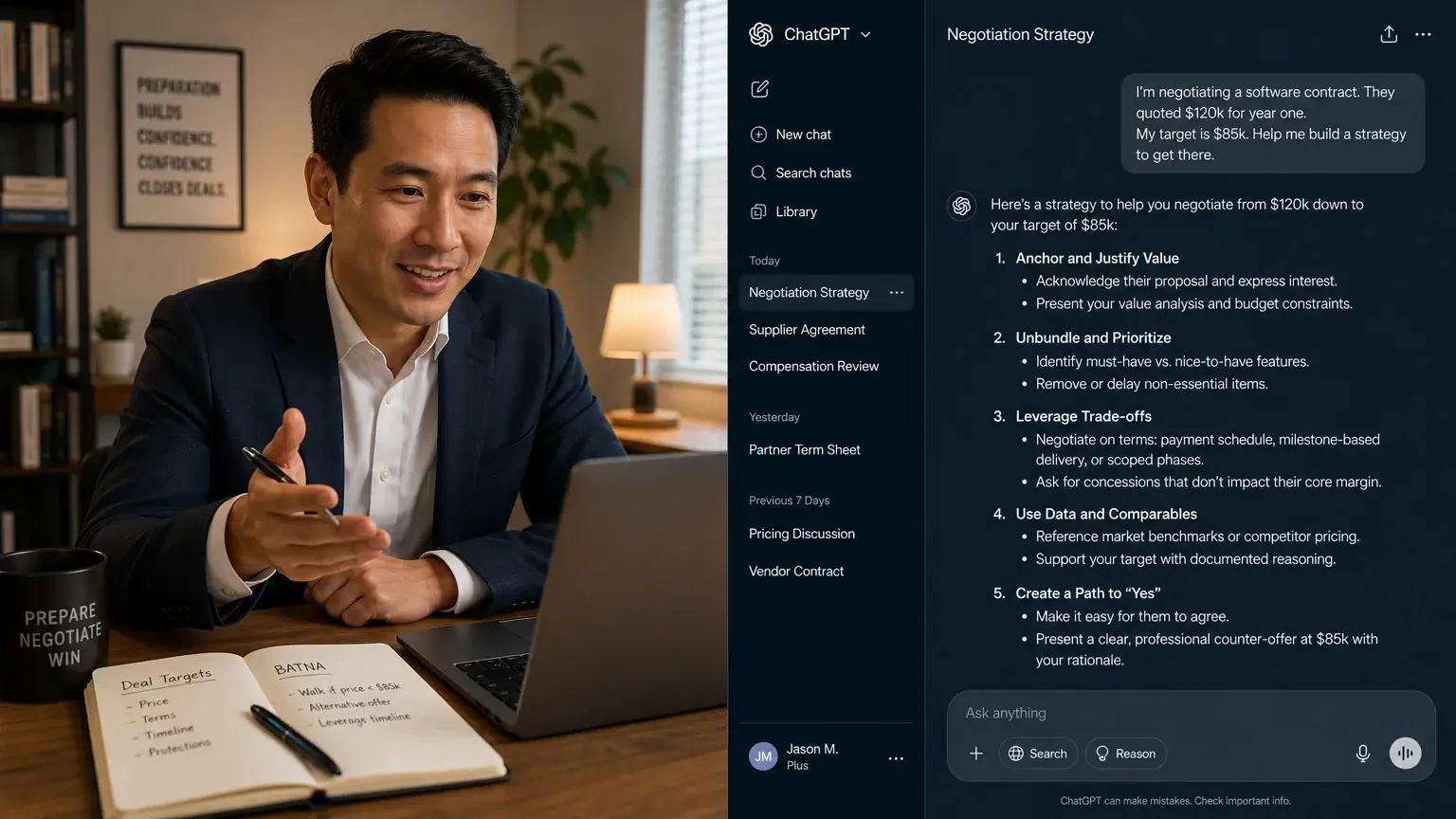
July 8, 2026 · 8 min read
How to Use AI for Salary Negotiation in 2026
Use ChatGPT, Perplexity, and other AI tools to research salary data, draft winning scripts, and role-play negotiation for free in 2026 with confidence.
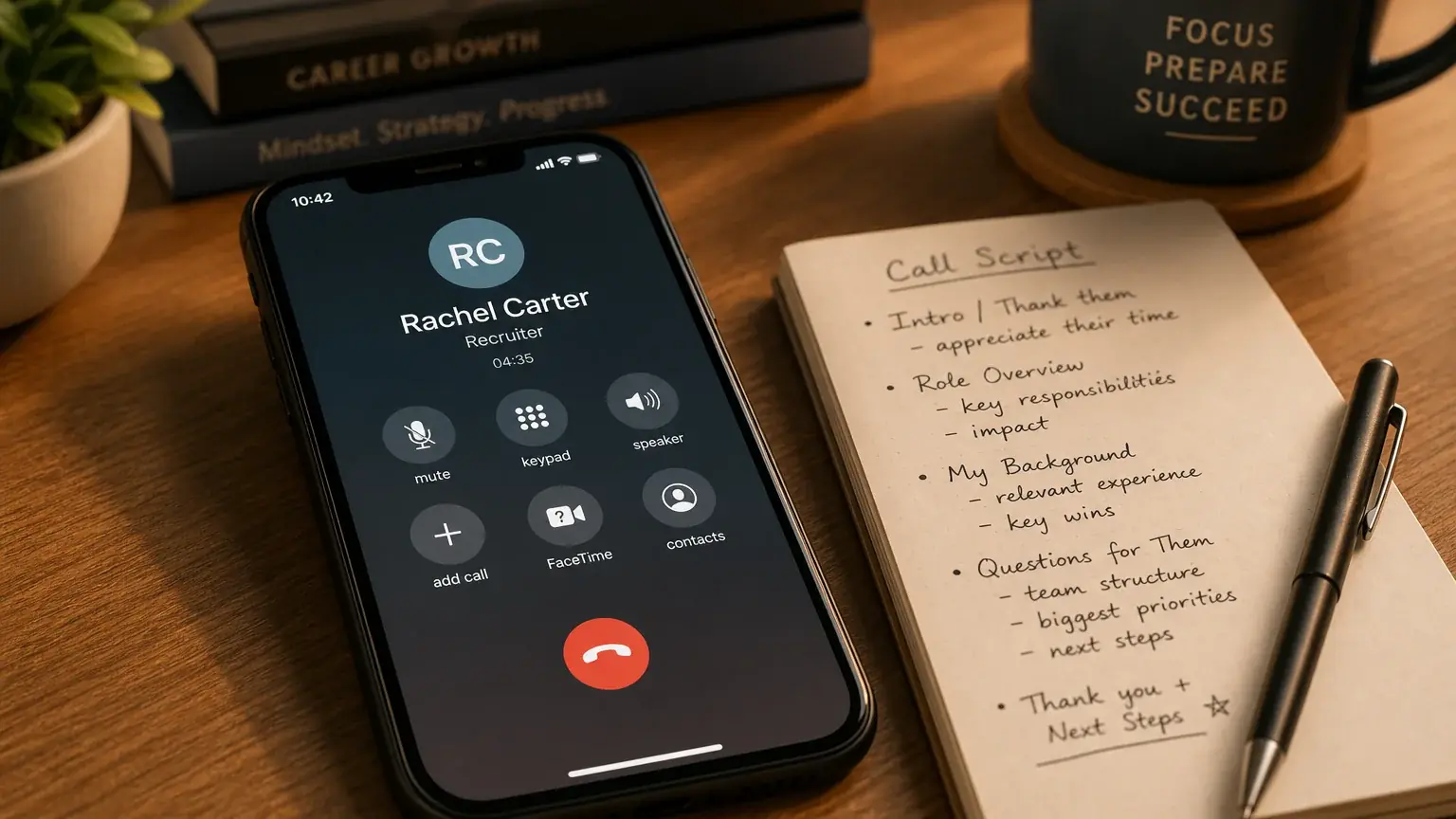
July 6, 2026 · 8 min read
How to Negotiate Salary in 2026: Step-by-Step Guide
Master salary negotiation in 2026 with proven scripts, market data tactics, and remote-work strategies. Includes email templates for tech and remote roles.
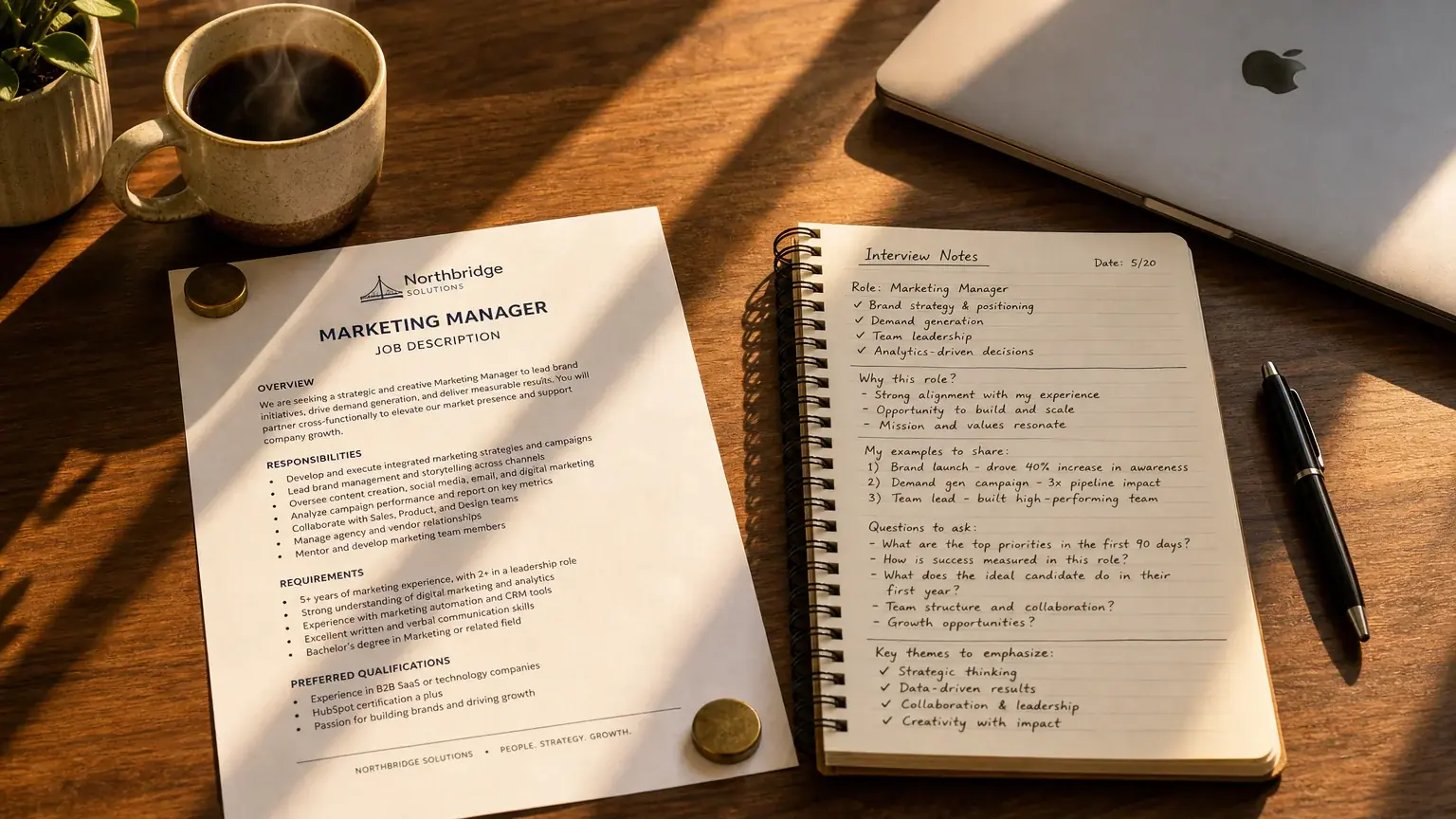
July 6, 2026 · 7 min read
Interview Prep From a Job Description: Predict the Questions
Turn any job description into interview prep: predict the questions, map STAR stories to each requirement, and ask sharper questions of your own.